


-

Add: HeBei ShengShi HongBang Cellulose Technology CO.,LTD.
-

Email
13180486930@163.com -

CONTACT US
+86 13180486930
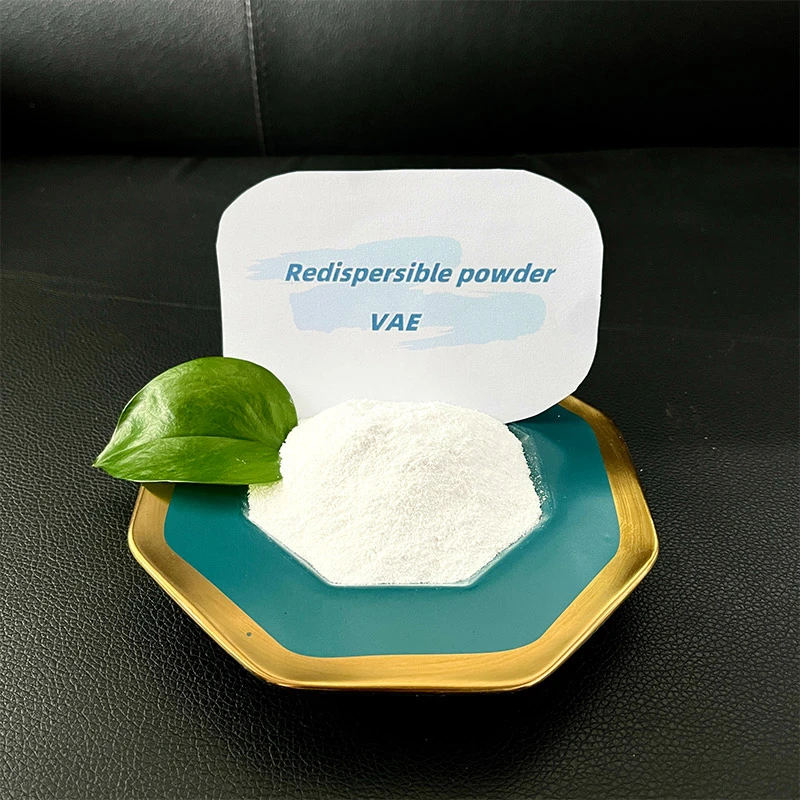
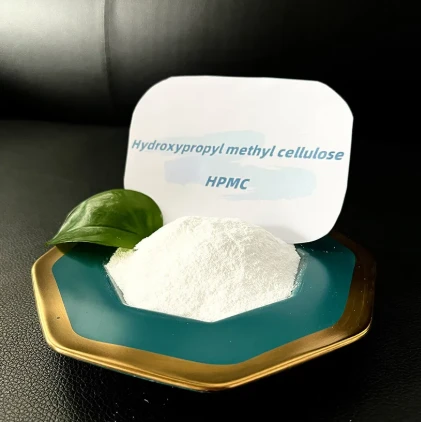
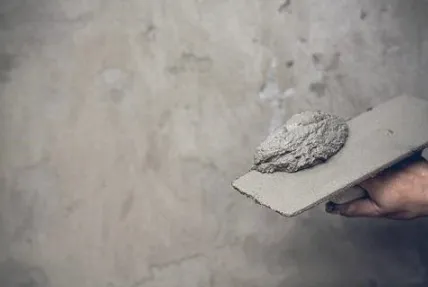



What I’m Seeing in Hydroxypropyl Methyl Cellulose Right Now If you work in dry-mix mortars, pharma tablets, or even detergent pods, you’ve probably bumped into Hydroxypropyl Methyl Cellulose HPMC more than once. It’s a non-ionic cellulose ether—yes, derived from natural cellulose—and it keeps getting more attention as the “quiet” performance enhancer in countless formulations. Honestly, adoption is accelerating across construction chemicals and high-viscosity personal care because of supply stability and cost-to-value. Many customers say the workability gains are immediate; I tend to agree. Origin and who’s behind it From HeBei ShengShi HongBang Cellulose Technology CO., LTD (Room 1904, Building B, Wanda Office Building, JiaoYu Road, Xinji City, Hebei Province). I’ve toured similar facilities; the process is rigorous and surprisingly clean. Their pitch is consistent rheology, tight particle size control, and fast redispersion in cement-alkali environments. How it’s made (short version, no fluff) Materials: refined cotton, NaOH (alkalization), methyl chloride (MC), propylene oxide (PO), purified water. Method flow: alkalization → etherification (MC+PO) → neutralization → washing to remove salts → drying → milling → sieving → packaging. QA/testing: viscosity (Brookfield, 2% w/w, 20°C), methoxyl/hydroxypropyl content, moisture, pH, ash, sieve residue, gel temperature. Service life: ≈24 months in dry, sealed bags; avoid >30°C and humidity. Real-world use may vary. Industries: tile adhesive, EIFS/ETICS, gypsum putty, self-leveling; tablets (binder), ophthalmics, toothpaste; shampoos, detergents, coatings. Product specifications (typical) Parameter Spec (≈) Viscosity (2% w/w, 20°C) 400–200,000 mPa·s (multiple grades) Methoxyl (DS) 19–24% Hydroxypropyl (MS) 4–12% Moisture ≤5% pH (1% sol.) 6.0–8.5 Gel temperature 60–75°C Sieve residue (100 mesh) ≤1% Bulk density 0.30–0.50 g/cm³ Note: measured by Brookfield LV, spindle/time per internal SOP; actual plant results vary with salts and mixing energy. Why formulators pick it Water retention and open time in cement systems (EN 12004 tile standards). Anti-sag, better trowelability; smoother edges on putties. Tablet binding/film formation meeting USP/Ph. Eur. monographs. Electrolyte tolerance; stable viscosity in laundry detergents—surprisingly robust. Vendor snapshot (what buyers compare) Vendor Certs Strength Viscosity Range MOQ HeBei ShengShi HongBang ISO 9001; REACH prereg. Construction focus; cost-value 400–200,000 ≈1 MT Dow (METHOCEL) ISO, GMP sites Global supply, pharma grades Low to ultra-high Varies Ashland (Benecel) ISO, EXCiPACT Tablets, coatings uniformity Wide Varies Applications and quick data Tile adhesive: +0.2–0.35% Hydroxypropyl Methyl Cellulose HPMC → open time +10–15 min; slip ≤0.5 mm (EN 12004). Self-leveling: 0.05–0.1% improves edge cohesion; flow per ASTM C1437: 115–130% with stable ring. Gypsum putty: 0.2–0.3% → sag drop by ≈30%, smoother knife feel (shop-floor feedback). Tablets: 2–5% binder; disintegration tuned via viscosity grade (USP-NF compliant grades available). Customization and QC For Hydroxypropyl Methyl Cellulose HPMC , you can specify viscosity windows, substitution ratios, surface treatment for fast wetting, and targeted gel temp. Batch COAs usually list Brookfield data, moisture, mesh residue, and heavy metals when applicable. Incoming QC on your side? I’d validate viscosity at your ionic strength, not just DI water. Mini case studies Eastern EU tile factory: switched to 60,000 mPa·s grade; open time +12 min; consumer complaints on “grab” fell 40% in 2 months. Generic IR tablet line: replaced PVP with Hydroxypropyl Methyl Cellulose HPMC binder at 3%; friability down from 0.9% to 0.3% while keeping disintegration at 9–12 min. Standards and compliance Typical references: EN 12004 (tile adhesives), ASTM C1437 (flow), ISO 9001 for QMS, USP/Ph. Eur. Hypromellose monographs, plus REACH where required. To be honest, don’t skip pilot mixes; salts and fillers can nudge viscosity more than you expect. Citations ASTM C1437 – Standard Test Method for Flow of Hydraulic Cement Mortar. EN 12004 – Adhesives for tiles: Requirements, evaluation of conformity. USP–NF Monograph: Hypromellose (Hydroxypropyl Methylcellulose). ISO 9001:2015 – Quality Management Systems Requirements.
- 40000tons

Production
- 20+years

Experience
- 5000+㎡

Acreage

-

In today’s industrial landscape, sustainable material solutions drive innovation. Micronized rubber powder transforms waste tires into high-value commodities, revolutionizing sectors from construction to automotive manufacturing. As wholesale suppliers, we empower businesses with bulk quantities of engineered rubber powders, ensuring consistency through advanced dispersion techniques. This article explores production methodologies, diverse applications, and wholesale advantages of specialized rubber powders, positioning them as indispensable assets for large-scale operations. The Evolution and Production of Rubber Powder The genesis of rubber powder lies in repurposing end-of-life tires through ambient or cryogenic processing. Ambient grinding shreds tires mechanically, producing coarse particles ideal for asphalt modifiers. Conversely, cryogenic rubber powder production immerses tire fragments in liquid nitrogen at -80°C, making them brittle for precise pulverization. This method yields ultra-fine (40–100 mesh), high-purity powder with intact polymer chains, essential for premium applications like coatings or adhesives. For wholesale procurement, consistency is non-negotiable. Our quality assurance protocols include laser diffraction analysis and sieve testing, guaranteeing uniform particle distribution in bulk shipments. Partnering with tier-1 recyclers, we secure traceable raw materials to fulfill industrial-scale orders while adhering to ASTM D5603 standards. Diverse Industrial Rubber Powder Uses Rubber powder uses span industries, driven by versatility and cost-efficiency. In infrastructure, micronized rubber powder modifies bitumen, enhancing road durability and reducing cracking. Wholesale construction clients procure batches for highway projects, slashing material costs versus virgin polymers. The automotive sector leverages epdm rubber powder in molded components like seals and gaskets, where its ozone resistance extends product lifespans. Athletic facilities use cryogenic rubber powder in synthetic turf infills, benefiting from its allergen-free properties and impact absorption. For manufacturers, bulk integration reduces virgin EPDM consumption, aligning with circular economy mandates. Case studies highlight a European tire maker cutting waste costs using our powder in retreading compounds. Technical Advantages of Micronized and Cryogenic Variants Micronized rubber powder ’s surface morphology enables superior polymer bonding. Plasma treatment increases surface energy, allowing seamless integration into thermoplastics like PP or PE. For adhesives, powder enhances viscosity without solvents, a key selling point for eco-conscious bulk buyers. Meanwhile, cryogenic rubber powder excels in precision applications. Its low-temperature production preserves ethylene-propylene-diene terpolymer (EPDM) structures, yielding powders with contamination. Wholesale clients in aerospace utilize grades for vibration-damping components, where particle homogeneity ensures batch-to-batch reliability. Our dispersion protocols employ twin-screw extruders with shear zones optimized , achieving particle distribution uniformity—critical for injection molding clients ordering monthly volumes. Specialized Applications of EPDM Rubber Powder Epdm rubber powder dominates high-temperature and weathering-resistant applications. Its sulfur-free cross-linking withstands, making it ideal for under-hood automotive parts. Roofing manufacturers bulk-order pallets for single-ply membranes, where EPDM’s UV stability outperforms PVC alternatives by 2×. In industrial rubber goods, epdm rubber powder replaces virgin material in conveyor belts. Our micronized EPDM powders (60–120 mesh) feature controlled carbon black content for consistent vulcanization in wholesale compound production. A recent partnership with a railway supplier saw EPDM powder orders for noise-reduction pads, leveraging our just-in-time logistics network for port-side delivery. FAQs : Rubber Powder What distinguishes ambient rubber powder from cryogenic rubber powder ? Ambient grinding produces irregularly shaped particles suited for low-cost fillers. Cryogenic processing creates finer, spherical particles with oxidized surfaces for enhanced polymer bonding. How does micronized rubber powder enhance asphalt performance? It forms a polymer network within bitumen, improving elasticity and reducing temperature susceptibility. This extends pavement lifespan by years and lowers wholesale maintenance costs. Can epdm rubber powder replace virgin EPDM in seals? Yes, at loading. It maintains tensile strength and compression set resistance while reducing material costs for bulk buyers. What industries prioritize cryogenic rubber powder ? High-spec sectors like automotive (NVH components), medical (hypoallergenic flooring), and precision molding, where particle sizes microns ensure defect-free surfaces. Are there volume discounts for bulk rubber powder uses ? Absolutely.Blended pallet options combining epdm rubber powder and micronized rubber powder .
-

Hydroxypropyl methylcellulose, commonly known by its acronym HPMC, stands as one of the most pivotal assets in the realm of industrial and pharmaceutical innovation. Demonstrating versatility, HPMC is revered for its impressive blend of properties, making it essential for various industries. Understanding HPMC’s breadth of applications provides significant insights for manufacturers and product developers alike. The journey of HPMC begins with its origin as a cellulose derivative, ensuring it's inherently natural yet highly adaptable. Cellulose itself is the most abundant natural polymer, providing HPMC with a sturdy foundation in ecological compatibility. This biocompatibility is a significant factor in its safety profile, making it a top choice among health-conscious industries. In pharmaceuticals , the significance of HPMC cannot be overstated. It serves as a skeleton for tablet formation, offering excellent binding properties and ensuring tablets maintain their integrity during production, packaging, and shelf life. Moreover, its ability to control the release rate of active ingredients revolutionizes the way medications are consumed. Through sustained or controlled-release formulations, patients experience consistent therapeutic effects, enhancing medication efficiency and compliance. The controlled release mechanism is the fruit of expert research and development efforts, propelling HPMC as an authoritative choice for advanced drug delivery systems. The food industry similarly benefits from HPMC's versatility. Acting as a stabilizer, emulsifier, and thickener, it is vital in ensuring food products maintain desirable textures and consistency. Whether in low-fat margarine, whipped toppings, or bakery goods, HPMC is essential for achieving the right mouthfeel and stability that consumers demand. Companies leveraging HPMC can deliver healthier alternatives without compromising on taste or texture, a feat driven by the trust in its properties. Beyond pharmaceuticals and food, HPMC’s role in the construction industry underlines its broad applicability. As a cement modification agent and adhesive, HPMC enhances water retention and workability in mortars and plasters. This contribution is vital in producing durable healthcare and educational facilities, thereby building credible solutions for infrastructural challenges. hpmc meaning The cosmetic sector also reaps the benefits of HPMC, particularly due to its non-toxic nature. In shampoos, conditioners, and lotions, it serves as a thickener and stabilizer. With consumers increasingly seeking transparency and safety in personal care products, the trustworthiness of HPMC as a natural-based product is invaluable. Ensuring the quality and reliability of HPMC involves adherence to rigorous industry standards and continuous innovation. Producers of HPMC are often engaged in ongoing research, spearheading breakthroughs in polymer science which strengthen its applications. This expertise is reflected in the meticulous production process, where quality control is paramount, guaranteeing product consistency and safety for end-users. Educational resources and training for professionals involved in product formulation with HPMC are essential. By equipping industry professionals with comprehensive knowledge regarding HPMC’s functionalities and applications, companies instill a level of trust and authoritative expertise that drives market confidence. Consumer awareness about HPMC’s benefits is equally crucial. Transparency in labeling and clear communication from manufacturers about the role of HPMC in their products can enhance credibility. By sharing real customer experiences and expert endorsements, companies can effectively convey the trustworthiness and indispensable nature of HPMC. In conclusion, HPMC is not merely an additive; it's a cornerstone of modern product development across diverse industries. Its remarkable balance of experience-rooted performance, expert-driven innovations, and trustworthy attributes make it indispensable for manufacturers committed to quality and consumer safety. As industries continue to evolve, the role of HPMC is likely to expand further, solidifying its position as a key player in future advancements. By marrying cutting-edge research with sustainable practices, HPMC remains an essential tool for innovation and efficiency, showcasing its enduring relevance across the global market.
advantages
-

200000 Viscosities
Excellent product
We can produce pure products up to 200,000 viscosities
-

40000 tons
High yield
We don’t stop production all year round, and the annual output can reach 40,000 tons
-

24 hours
Quality service
We provide 24-hours online reception service, welcome to consult at any time
———— Inquiry Form
Schedule A services

-
 hpmc_capsule_supplier
Oct . 25, 2025
In the world of modern construction, synthetic fibers have revolutionized the way materials are used -
 hydroxypropyl_methylcellulose_for_hair
Oct . 25, 2025
The world of construction and industrial materials is constantly evolving, and the demand for innova -
 polvo_de_emulsion_redispersable
Oct . 25, 2025
Nitrile rubber powder , a versatile polymer, is becoming an indispensable asset in numerous industri


